You bought a good camera, but you’re still shooting on Auto. You’re not alone. In ten years of teaching adults to use their cameras, the question I hear most is some version of “What do all these numbers mean?”
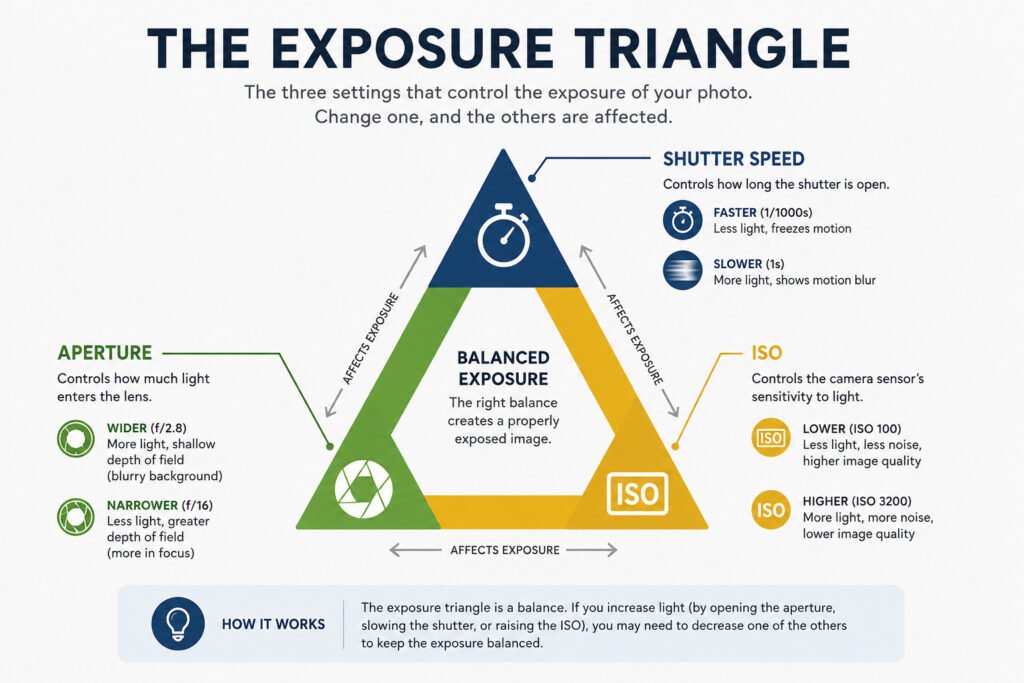
Here’s the good news: just three settings control every photograph you take. Photographers call them the exposure triangle: aperture, shutter speed and ISO. Once you understand what each one does, Auto stops being a crutch and your camera starts doing what you want.
Watch the 3-minute video, then read on for a quick summary.
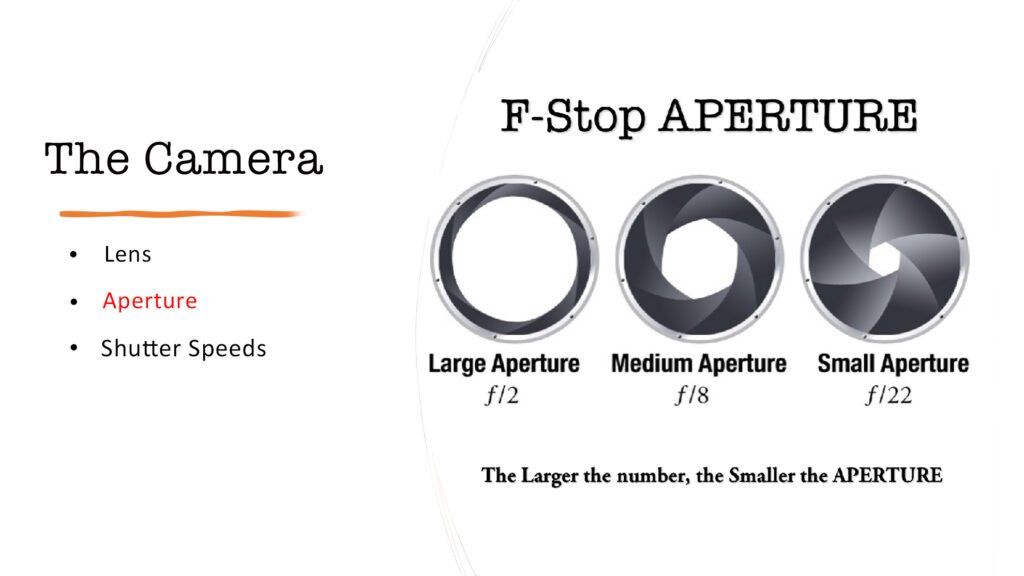
Aperture is the opening inside your lens, like the pupil of your eye. The confusing part is that big openings have small numbers (f/2.8, f/4) and small openings have big numbers (f/11, f/16).
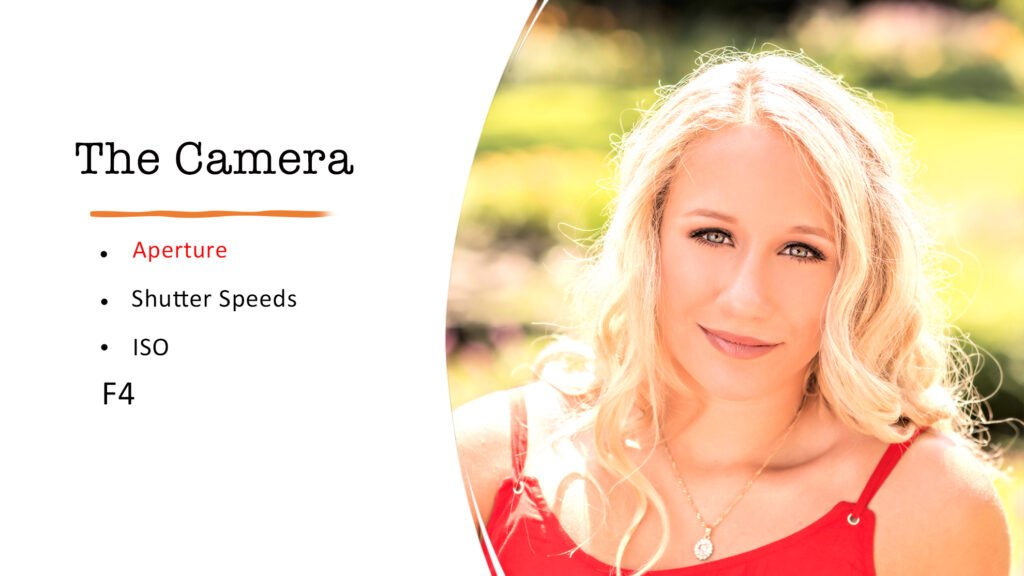
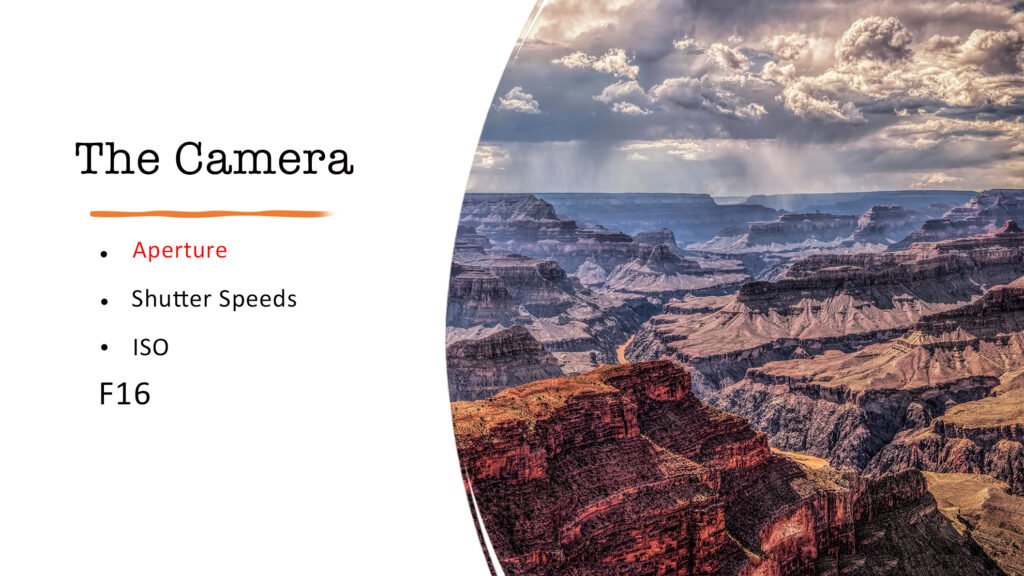
A small number blurs the background, which is perfect for portraits and flowers. A big number keeps everything sharp from front to back, which is what you want for landscapes.
Shutter Speed: Motion
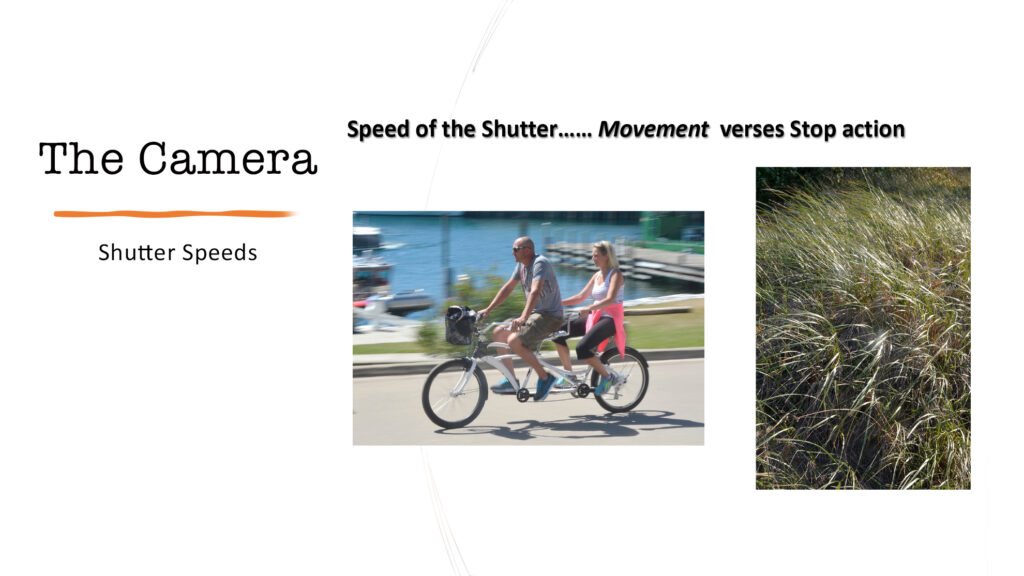
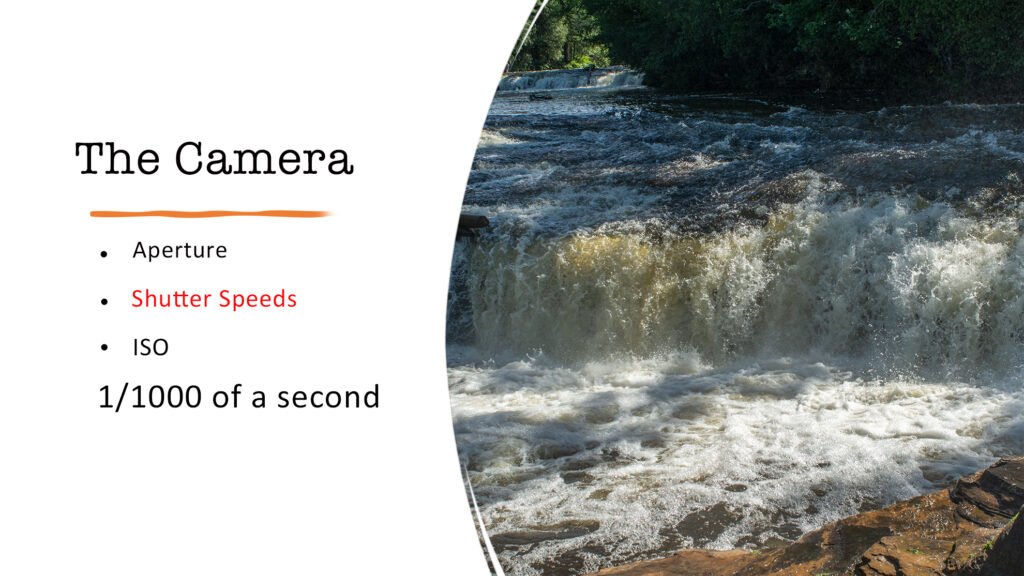
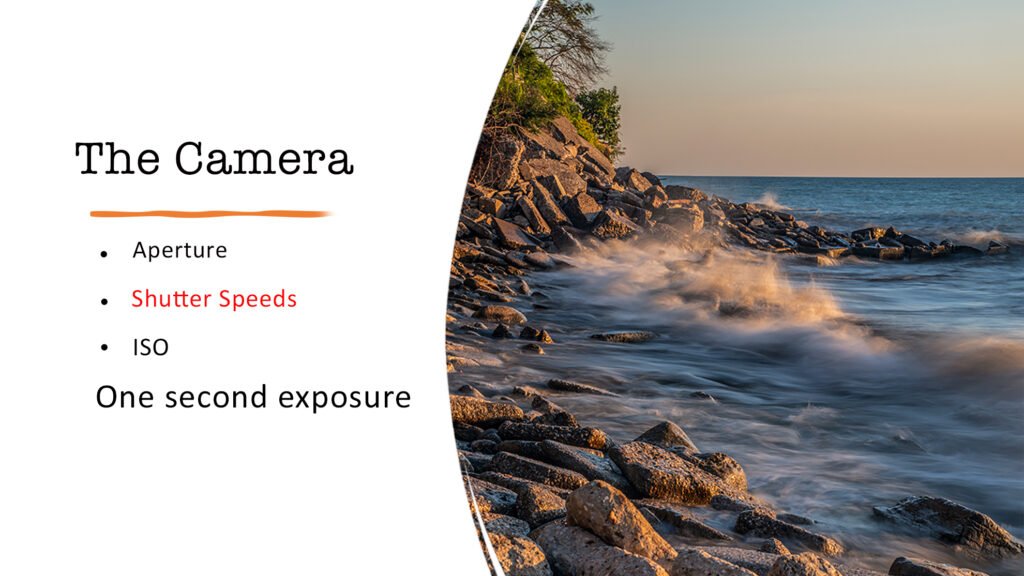
Shutter speed is how long the shutter stays open. A fast shutter, like 1/1000 of a second, freezes a running child or a bird in flight. A slow shutter, like one full second, lets moving water turn soft and misty.
One caution: below about 1/60 of a second, your own hand movement starts to blur the picture. Use a tripod or brace yourself against something solid.
ISO: Grain
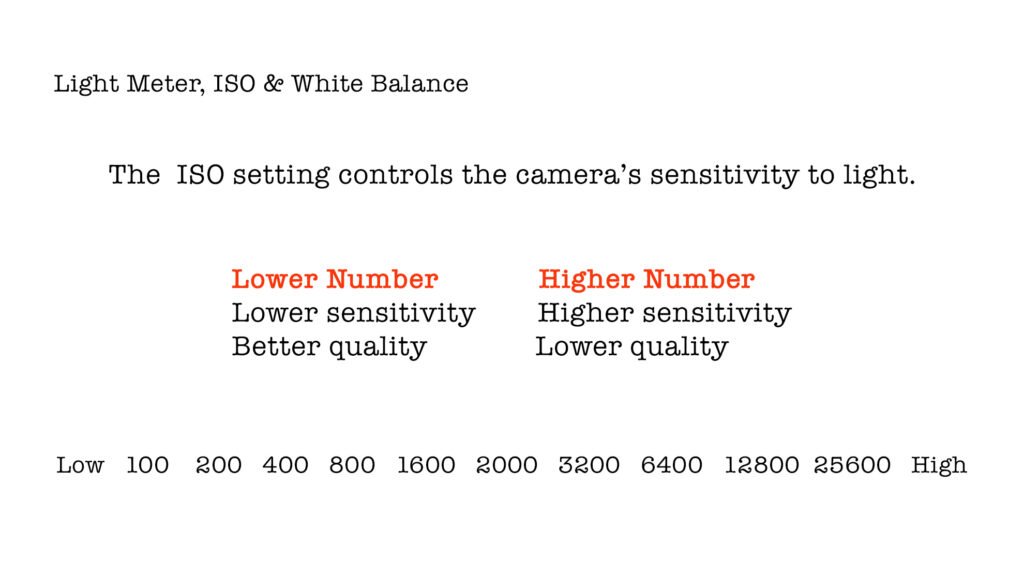
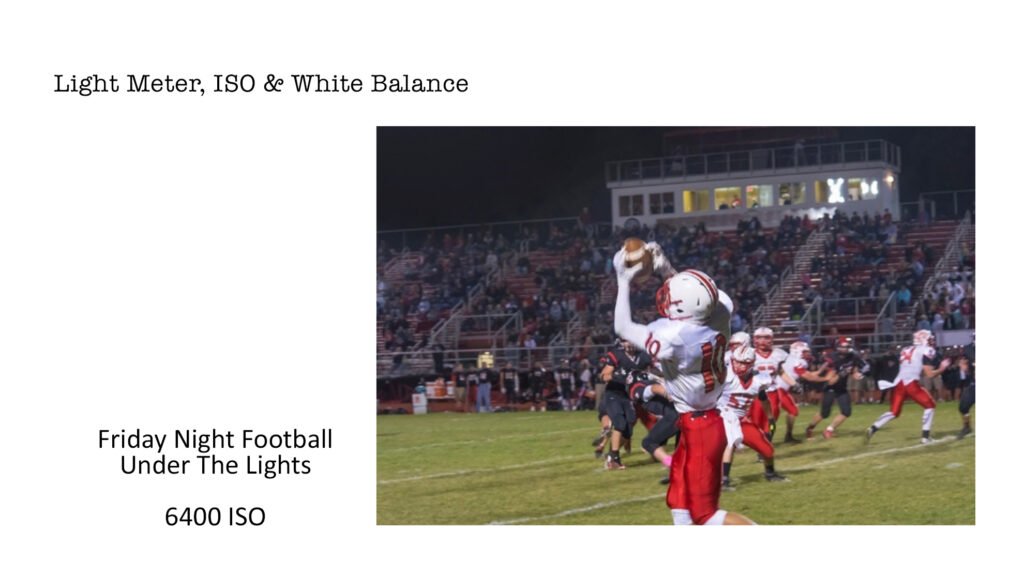
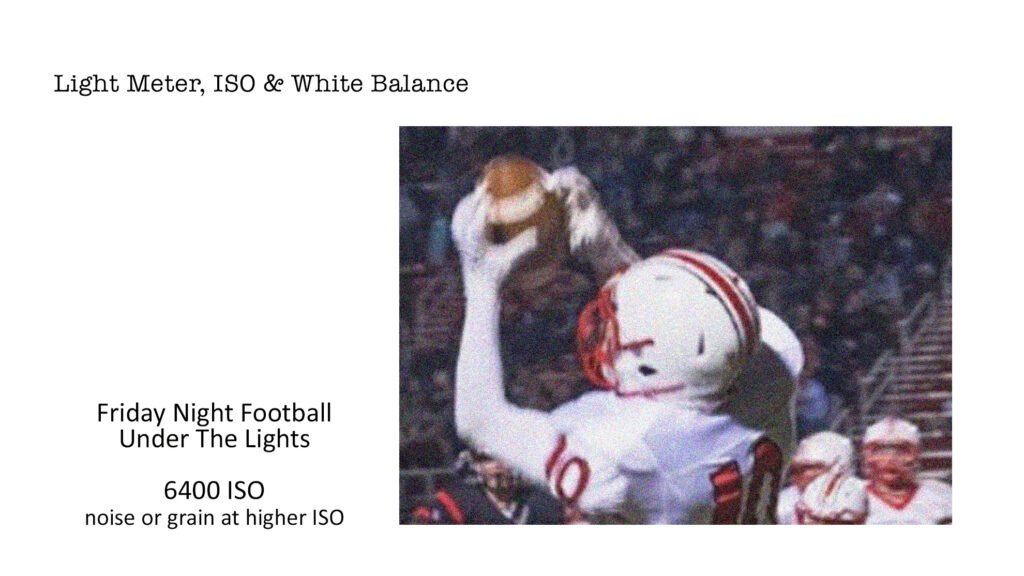
ISO is how sensitive your camera’s sensor is to light. Low numbers like 100 give the cleanest image. In dim light you raise it to 3200 or 6400 so you can keep a fast enough shutter speed. The trade-off is grain, which photographers call noise. My rule: use the lowest ISO that still gives you a sharp photograph.
Putting it together
Before you press the shutter, ask one question: what matters most here? If it’s the background, start with aperture. If it’s motion, start with shutter speed. Then let ISO fill in the rest.
Try this
Put your camera in Aperture Priority (A or Av on the dial). Photograph one scene at f/4, f/8 and f/16, and compare the backgrounds. Then share all three in my free Camera Coach community. I comment on every photo, and you can download my free Exposure Triangle Cheat Sheet there.